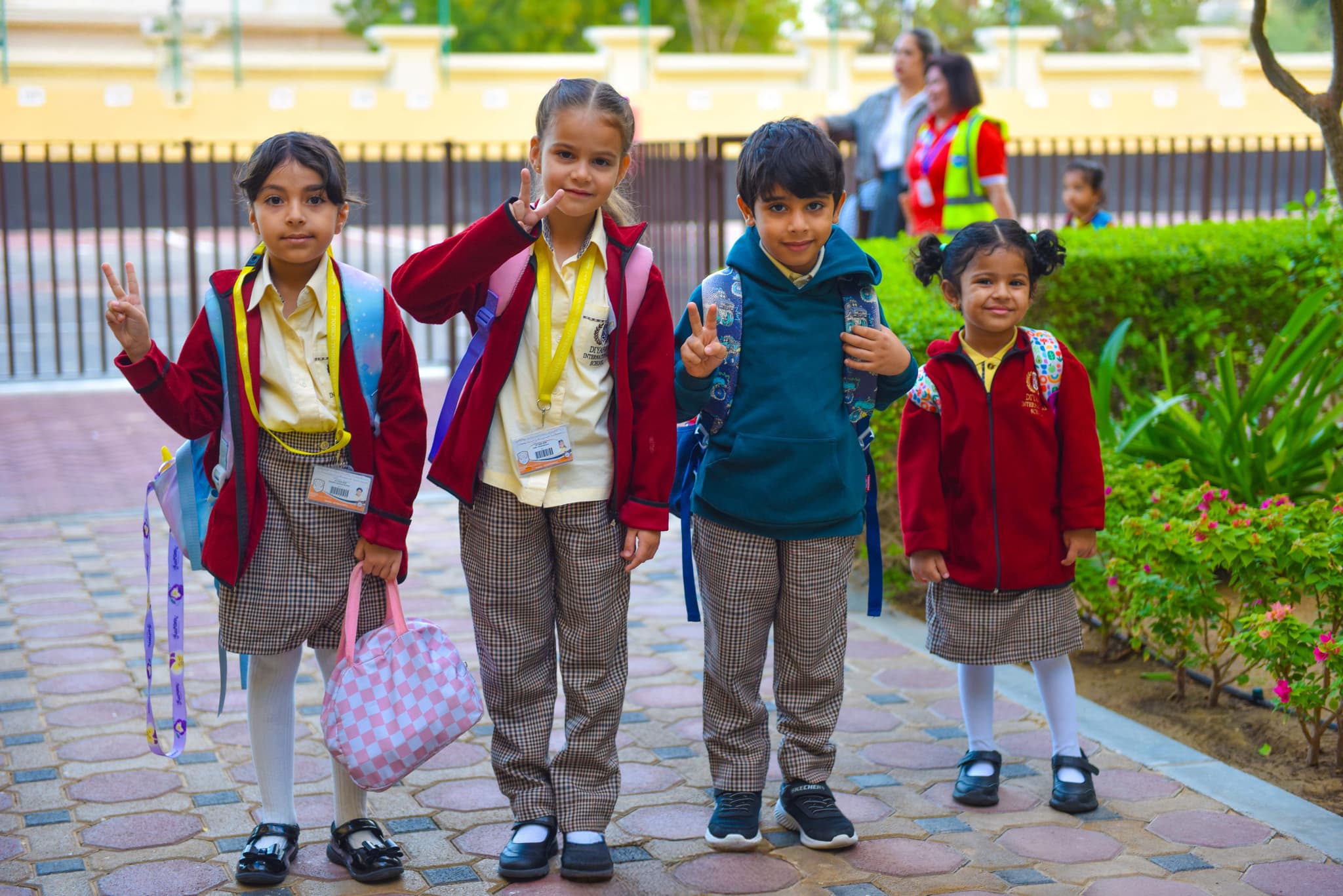
Back to School in the UAE: A Parent’s Checklist for a Smooth Start
Estimated reading time: 5 minutes
The end of the summer holidays is an exciting time for families, but preparing children for a new school year can also feel overwhelming. From resetting sleep schedules and checking uniforms to arranging transport and preparing healthy lunches, a little planning can make the transition easier.
For families in the UAE, preparing early can help children return to school feeling comfortable, confident and ready to learn. Diyafah International School in Abu Dhabi is scheduled to reopen for the new academic year on 31 August 2026.
Here is a practical back-to-school checklist for parents in the UAE to help children make a smooth transition from summer holidays to school.
- Parents Reset Their Child’s Sleep Routine Before School
Late nights and relaxed mornings are common during the summer holidays. However, returning suddenly to an early school-day schedule can be difficult for children.
Start adjusting bedtime and wake-up times gradually before school begins. A consistent sleep routine can help children feel more alert and settled during the school day.
Parents can also create a calmer bedtime routine by reducing screen time before bed, preparing school items in advance and encouraging quiet activities such as reading.
- School Essentials Parents Should Check Before the New Term
Children can grow quickly during the summer, so check uniforms, shoes and other school essentials before the first day.
A useful checklist should include:
- School uniforms
- School shoes
- PE kits
- Backpack
- Stationery
- Water bottle
- Lunch box
- School-specific learning materials
- Required books or equipment
Preparing these items early gives parents enough time to replace anything that no longer fits or is missing.
At Diyafah International School, curriculum textbooks and notebooks are normally issued by the respective class teacher during the first week of school, according to the school's current information.
- Reintroduce a Morning Routine
Summer mornings often involve less structure. Before school resumes, practise the usual school-day routine so children know what to expect.
Encourage them to wake up, get dressed, have breakfast and prepare their belongings at approximately the same time they will once school reopens.
For younger children, a simple visual routine can make mornings easier to follow. Giving children small responsibilities, such as checking their school bag or choosing clothes the night before, can also help develop independence.
- Parents Prepare Children Emotionally for School
Back-to-school preparation is about more than uniforms, books and stationery. Children may experience different emotions when returning to school.
Some may be excited to meet friends, while others may feel nervous about a new teacher, classroom or year group.
Take time to talk about the upcoming school year and encourage children to share their thoughts. Questions such as “What are you most looking forward to?”, “Is there anything you are worried about?” or “What would you like to try this year?” can open meaningful conversations.
Rather than immediately trying to solve every concern, listen first. Knowing that parents are available to talk can help children approach the new school year with greater confidence.
- Why Should Children Restart Reading Before School Begins?
If reading became less frequent during the summer, gradually bring it back into the daily routine before school starts.
Reading does not need to feel like homework. Parents can spend ten minutes reading with younger children, visit a library or allow older children to choose books based on their interests.
For younger learners, reading aloud can encourage vocabulary development, listening skills and conversations about characters and stories.
The aim is to make reading an enjoyable daily habit before academic demands increase.
- Plan School Transport in Advance
School transport should be organised before the term begins rather than left until the last minute.
- Parents should confirm:
- Bus registration and transport arrangements
- Pick-up and drop-off locations
- Expected travel times
- Transport provider contact details
- What time children need to be ready
- Any changes to transport arrangements
Diyafah International School currently states that school transport is outsourced to an external provider and that parents can register their children for transport requirements.
For younger children, explaining the transport routine beforehand can make the first few school days feel more familiar.
- Prepare Healthy Meals and Snacks
Healthy meals and snacks can help children stay energised throughout the school day. When preparing lunch boxes, parents can consider a balanced selection of:
- Fresh fruit
- Vegetables
- Whole grains
- Protein-rich foods
- Healthy snacks
- Water
Portion sizes should suit the child's age and eating habits. Parents should also check the school's food, allergy and lunchbox policies before preparing meals.
Remember the Nut-Free Zone
If your child's school or classroom operates as a Nut-Free Zone, avoid sending foods containing nuts or products that may contain nut ingredients.
Always follow the school's latest food-allergy guidance and communicate any known allergies with the school.
- Set Realistic Goals for the New Term
The start of a new academic year is a good opportunity for children to think about what they would like to achieve.
Encourage children to choose one or two realistic goals rather than creating a long list of expectations. Their goals could include:
- Reading more regularly
- Becoming better organised
- Participating more in class
- Improving a particular skill
- Trying a new extracurricular activity
- Making a new friend
- Becoming more independent
The focus should be on progress rather than pressure. A small, achievable goal can give children a positive sense of direction as they begin the new academic year.
The Diyafah Back-to-School Experience
At Diyafah International School, preparing for a new academic year goes beyond simply announcing the reopening date.
Parents can access important information about school timings, uniforms, transport arrangements and other back-to-school requirements. New families can also make use of school tours and admissions support to become familiar with the school environment before joining.
Diyafah currently offers personalised or virtual school tours, while its admissions information covers students from Nursery/FS1 through Year 13 for the 2026–27 academic year.
This communication between the school and families can help children return feeling more familiar with their environment and give parents greater clarity about the year ahead.
Summer Camp as a Bridge Back to School
For younger learners, the transition from summer holidays to school can be particularly significant.
Diyafah International School conducted summer camp activities for EYFS students during July, providing opportunities for age-appropriate play, creative activities, social interaction and structured learning.
Experiences that maintain some connection with learning and school routines can help younger children become comfortable with a structured environment before the new academic year begins.
For EYFS children especially, a gradual transition can make returning to school feel more familiar and less overwhelming.
Key Term Dates
- First-Term Begins: August 31, 2026
- First Mid-Term Break: October 12–16, 2026
- Winter Break: December 14, 2026 – January 1, 2027
- Spring Break: April 5–9, 2027
- Academic Year Ends: July 2, 2027
The key term dates mentioned above are tentative and might change according to the ADEK policies and regulations